Tips for Creating a Relaxing Home Workspace to Boost Productivity and Comfort
Creating a relaxing home workspace is essential for maintaining focus, reducing stress, and improving overall productivity. Whether you work from home full-time or occasionally, your workspace environment can have a significant impact on how you feel and perform. In this post, we’ll explore practical tips to help you design a comfortable and calming workspace that supports your workday needs.
Why a Relaxing Workspace Matters
Your home workspace should be more than just a desk and a chair. It’s a personal area where you spend hours accomplishing tasks, so making it inviting can help you stay motivated. When your workspace is cluttered or uncomfortable, it can cause distractions, fatigue, and decreased productivity. By investing some time and thought into setting up a relaxing environment, you’ll benefit from improved concentration and a better mood.
1. Choose the Right Location
The first step in creating a relaxing workspace is selecting an appropriate spot in your home.
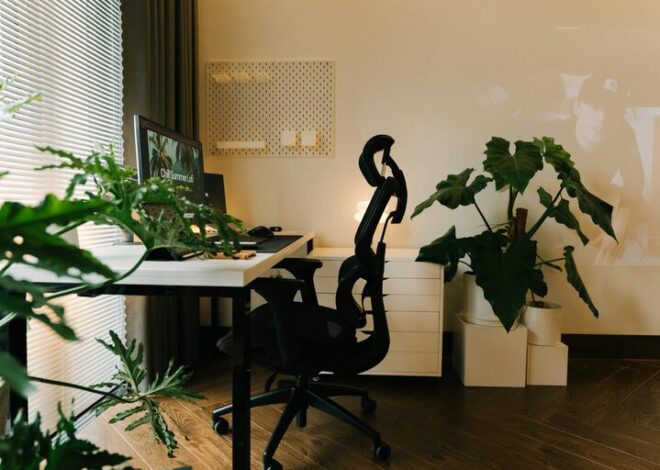
– Natural Light: Aim for a location near a window to take advantage of natural light. Sunlight helps regulate your internal clock and boosts energy.
– Minimize Noise: If possible, pick a quiet area away from busy household traffic to reduce interruptions.
– Separate from Relaxation Spaces: Avoid working in areas meant for rest, like your bed or couch, to maintain a clear boundary between work and leisure.
2. Invest in Ergonomic Furniture
Comfortable furniture is key to preventing physical strain during long work hours.
– Ergonomic Chair: Choose a chair that supports your lower back and promotes good posture. Adjustable height and armrests are helpful features.
– Desk Height: Make sure your desk allows your arms to rest comfortably at a 90-degree angle to prevent shoulder tension.
– Standing Option: Consider a sit-stand desk to alternate positions and reduce the impact of sitting for extended periods.
3. Keep It Organized and Clutter-Free
A clean workspace reduces stress and distractions.
– Storage Solutions: Use shelves, drawers, or containers to keep supplies organized and out of sight.
– Daily Tidy Up: Spend a few minutes at the end of each day to put away papers and tools.
– Limit Personal Items: While personal touches are great, avoid overcrowding your desk with too many decorations.
4. Use Calming Colors and Decor
The colors and decor in your workspace can influence your mood and productivity.
– Soft Color Palette: Choose shades like blues, greens, or pastels, which are known to have calming effects.
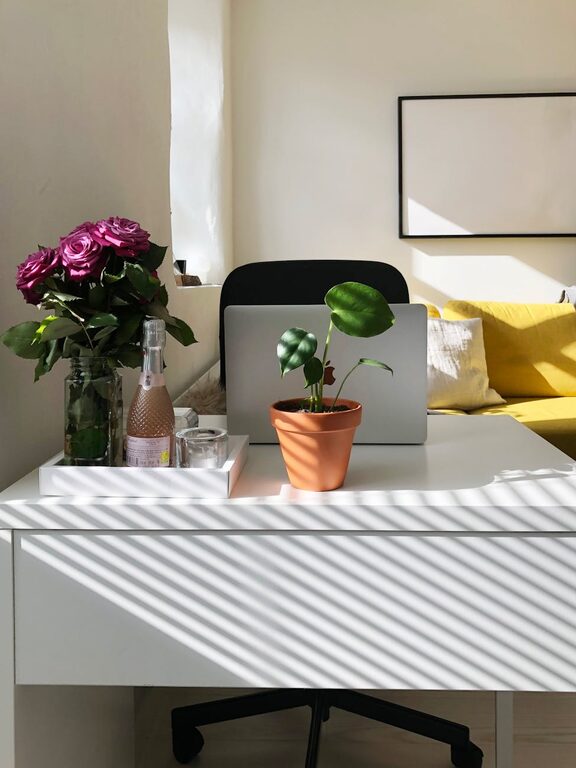
– Natural Elements: Adding plants or flowers can improve air quality and create a peaceful atmosphere.
– Art and Inspiration: Select artwork or quotes that motivate you without causing visual clutter.
5. Control Lighting to Reduce Eye Strain
Proper lighting is essential for comfort and focus.
– Layered Lighting: Combine ambient (general), task (focused), and accent lighting to suit different needs.
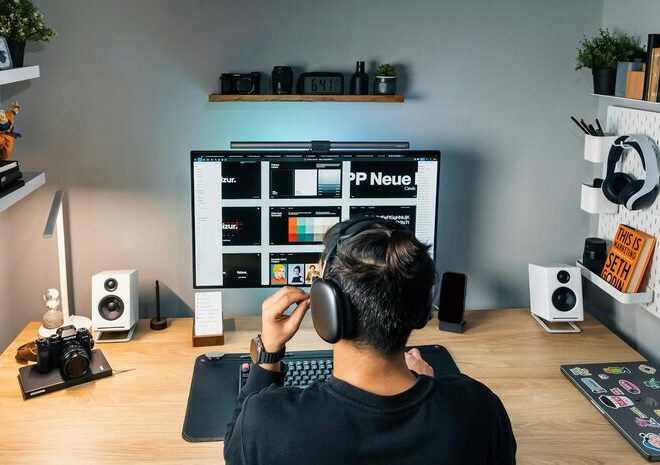
– Adjustable Lamps: Use adjustable desk lamps to direct light where you work, avoiding glare on screens.
– Avoid Harsh Fluorescents: Opt for warm, soft bulbs instead of harsh overhead lighting.
6. Manage Technology and Cables
Technology is necessary, but managing it well can reduce distractions and mess.
– Cable Management: Use clips, sleeves, or velcro ties to keep cables organized and prevent tangling.
– Tech Placement: Position your monitor at eye level and about an arm’s length away to reduce neck and eye strain.
– Limit Notifications: Turn off unnecessary notifications during focused work times.
7. Incorporate Soothing Sounds
Background sound can help some people concentrate better.
– White Noise Machines: These can mask distracting noises and create a consistent audio environment.
– Music Playlists: Gentle instrumental music or nature sounds can improve mood and focus.
– Noise-Canceling Headphones: Consider these if you work in a noisy environment or share a space with others.
8. Take Regular Breaks and Move
Even the most comfortable workspace benefits from breaks.
– Pomodoro Technique: Work in focused intervals (like 25 minutes), followed by 5-minute breaks to refresh your mind.
– Stretching and Movement: Stand, stretch, or walk around to reduce muscle stiffness and boost circulation.
– Hydrate and Snack: Keep water and healthy snacks nearby to maintain energy levels.
9. Personalize Your Space Thoughtfully
Adding personal touches can make the workspace inviting without overwhelming it.
– Photos: Keep a few favorite photos or mementos to boost your mood.
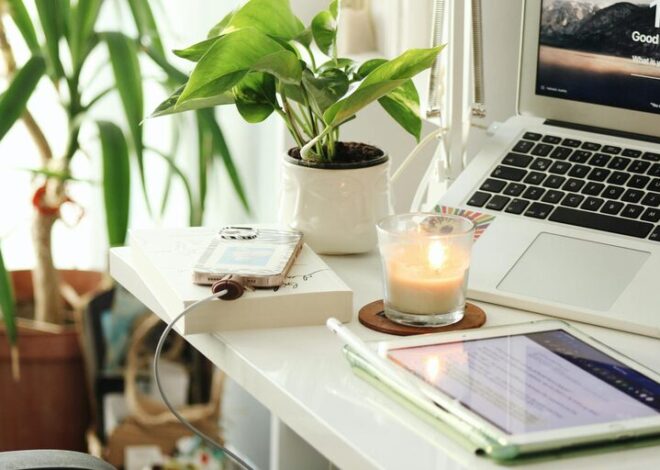
– Aromatherapy: Light scented candles or use essential oil diffusers with calming scents like lavender or chamomile.
– Comfort Items: A cozy blanket, wrist rest, or foot cushion can enhance comfort.
Final Thoughts
Designing a relaxing home workspace takes time and experimentation. The goal is to create a space that feels comfortable, organized, and inspiring to you. When your workspace supports your well-being, you’ll find it easier to stay focused and productive throughout your workday. Take small steps to implement these tips, and enjoy the positive impact on both your work and overall comfort at home.