Tips for Creating a Relaxing Home Office Environment
Creating a relaxing home office environment is essential for anyone working or studying from home. A calm and organized workspace not only improves focus and efficiency but also helps reduce stress. Whether you have a dedicated room or just a small corner, these tips will help you transform your space into a peaceful and productive area.
Choose the Right Location
Selecting the best spot for your home office is the first step. Ideally, pick a quiet area where you can avoid frequent interruptions. Natural light is a huge plus; positioning your desk near a window can brighten your mood and reduce eye strain.
Consider These Factors:
– Away from noisy appliances or busy household areas
– Near a power source for your devices
– Space to stretch and move comfortably
Invest in Comfortable Furniture
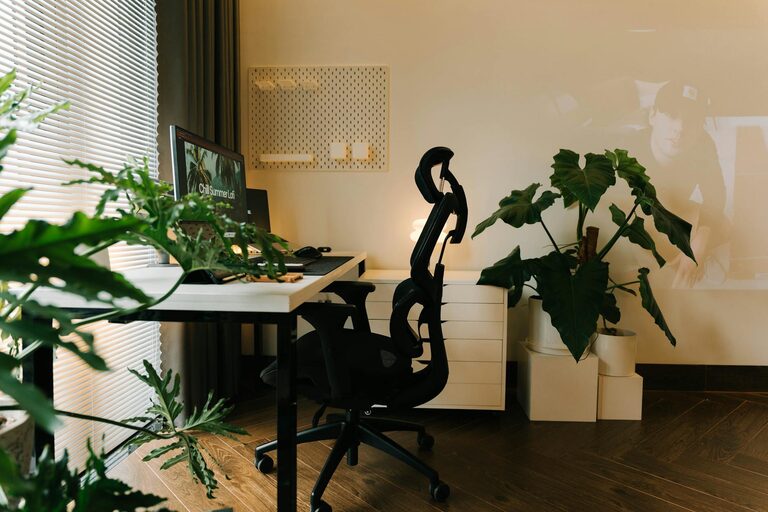
Comfort is key when setting up your home office. An ergonomically designed chair and desk support good posture and prevent discomfort during long hours of work.
What to Look For:
– Adjustable chair height and lumbar support
– Desk at elbow height to avoid strain
– Enough surface area for your computer and documents
Organize and Declutter
A tidy desk leads to a tidy mind. Keep only the essentials on your workspace to minimize distractions. Use organizers, shelves, or drawers to store supplies neatly.
Helpful Organization Tips:
– Use trays or boxes for small items like pens and paperclips
– Label storage containers for easy access
– Set a weekly routine to clear clutter
Use Calming Colors and Decorations
Colors impact mood and productivity. Soft, neutral tones such as light blues, greens, or greys create a soothing atmosphere. Avoid overly bright or harsh colors that might cause anxiety or fatigue.
Decorating Ideas:
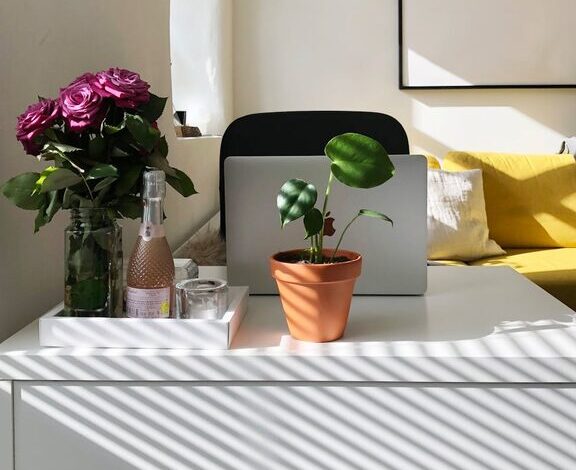
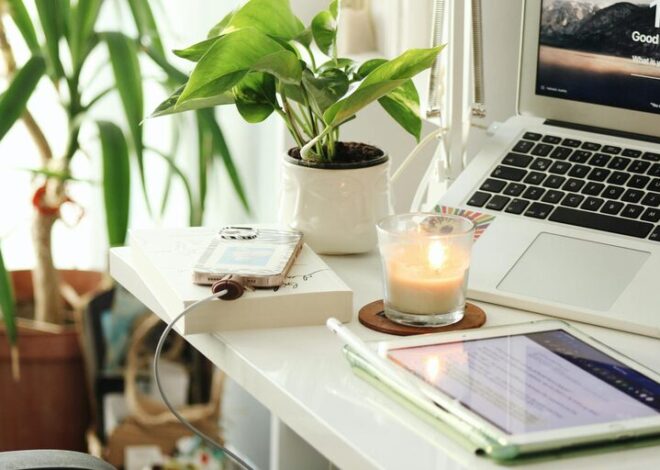
– Add plants to bring nature indoors and improve air quality
– Hang inspirational artwork or calming images
– Use soft lighting like desk lamps or floor lamps instead of harsh overhead lights
Manage Noise Effectively
Noise distractions can interrupt your concentration. To maintain a peaceful environment, consider ways to reduce or mask unwanted sounds.
Noise Management Tips:
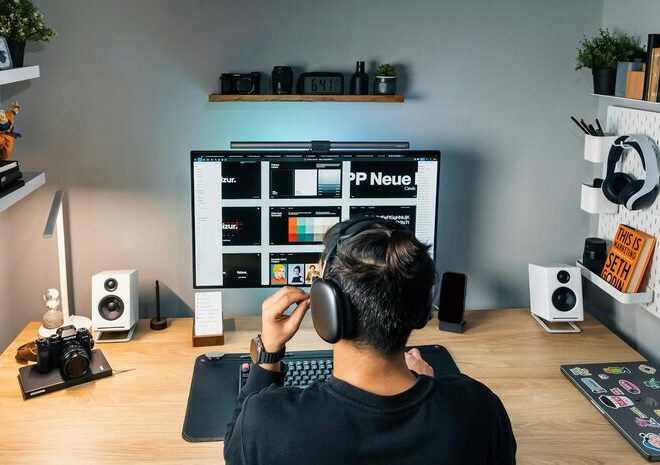
– Use noise-canceling headphones or earplugs
– Play soft background music or ambient sounds
– Add rugs or curtains to absorb sound
Maintain Good Air Quality and Temperature
Fresh air and comfortable temperature help you stay alert and focused. Open a window when possible or use an air purifier if your space tends to feel stuffy.
Tips for Comfort:
– Keep the room between 68-72°F (20-22°C)
– Incorporate a small fan or heater as needed
– Avoid sitting near sources of drafts or direct heat
Establish a Routine and Boundaries
Creating a routine signals to your brain when it’s time to work and when to relax. Set working hours and take regular breaks to prevent burnout.
Tips to Stay on Track:
– Use a timer or an app to remind you to take breaks
– Set clear boundaries with family or roommates about your working time
– Personalize your workspace to make it feel inviting and motivational
Incorporate Technology Wisely
While technology is essential, too many gadgets can clutter your space and mind. Choose devices and tools that truly enhance your workflow.
Tech Tips:
– Use wireless devices to reduce cords
– Keep your screen at eye level to reduce neck strain
– Utilize apps that minimize distractions, such as website blockers or focus timers
Final Touches
Adding small finishing touches can make your home office feel more comfortable and inviting.
– Keep a water bottle within reach to stay hydrated
– Place a cozy blanket or cushion for extra comfort
– Include a small clock or calendar to help you manage time
—
Creating a relaxing home office is all about balancing comfort, organization, and aesthetics. With these practical tips, you can design a workspace that supports your well-being and productivity, making your time spent working from home much more enjoyable.